



We cut down forests, but we restore them
A responsible approach to nature and a sustainable forestry vision. “Prime Forest Group” combines modern logging technology, agricultural experience, and ecological awareness to ensure forests remain alive for future generations.
Prime Forest Group is a company that integrates all stages of forestry: from forest acquisition to its restoration.
We carry out forest logging operations, purchase forest land or lease plots from owners, and plant and restore forests in accordance with sustainable forestry principles.
In addition to our core activities, we provide technical support for the forestry sector — we purchase burned or non-operational forestry machinery and sell new and used parts for “John Deere”, “Ponsse”, “Komatsu”, “Logset” and other manufacturers’ equipment.
History
How it all began
“Prime Forest Group” originated from a small initiative aimed at restoring damaged forest areas. Today, it is an international organization operating in several European countries, bringing together forestry, agronomy, and machinery experts. From the first plantings to large-scale projects, our goal has remained the same: to use natural resources responsibly and restore what has been lost.
Our team
Our team includes forestry engineers, agronomists, environmental lawyers, mechanics, and logistics specialists. Each of them contributes to a common goal — ensuring sustainable, professional, and legally transparent forest management.
Activity regions
“Prime Forest Group” carries out projects in regions where the forestry sector has long-term economic and environmental importance. Our operations cover Lithuania, Poland, Germany, Italy, and other European countries.
Poland's topographically diverse territory extends from the beaches along the Baltic Sea in the north to the Sudetes and Carpathian Mountains in its south.
Various Germanic tribes have inhabited the northern parts of modern Germany since classical antiquity. A region named Germania was documented before AD 100. In the 10th century, German territories formed a central part of the Holy Roman Empire.
Due to its central geographic location in Southern Europe and the Mediterranean, Italy has historically been home to myriad peoples and america.
In the High Middle Ages, France was a powerful but highly decentralized feudal kingdom in which the king's authority was barely felt.
Tried to Geocode:
Error Type:
Please be sure to follow the tutorial on how to setup the Google APIs required for the Advanced Google Map Widget.
Google Map API Key TutorialCertificates
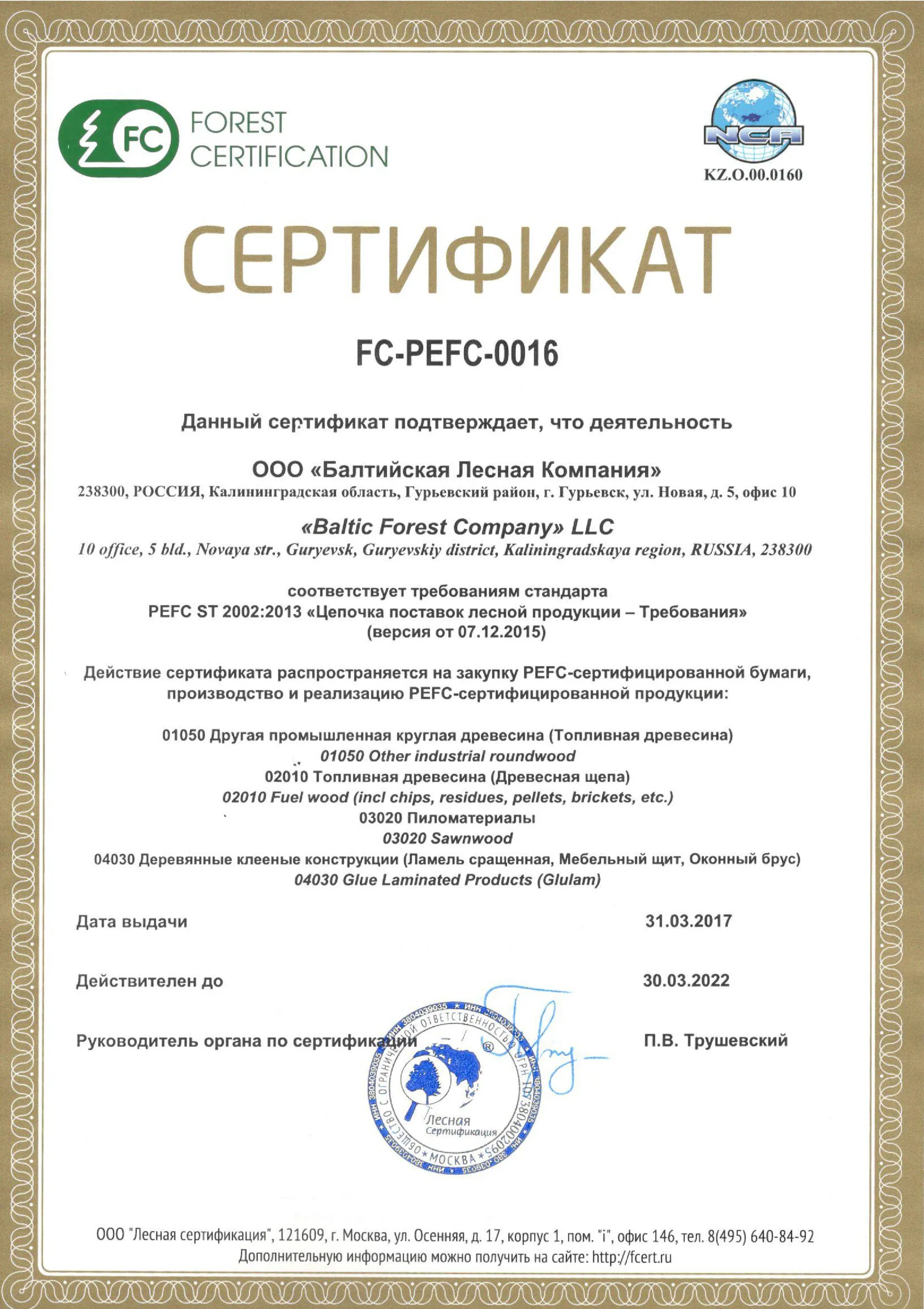
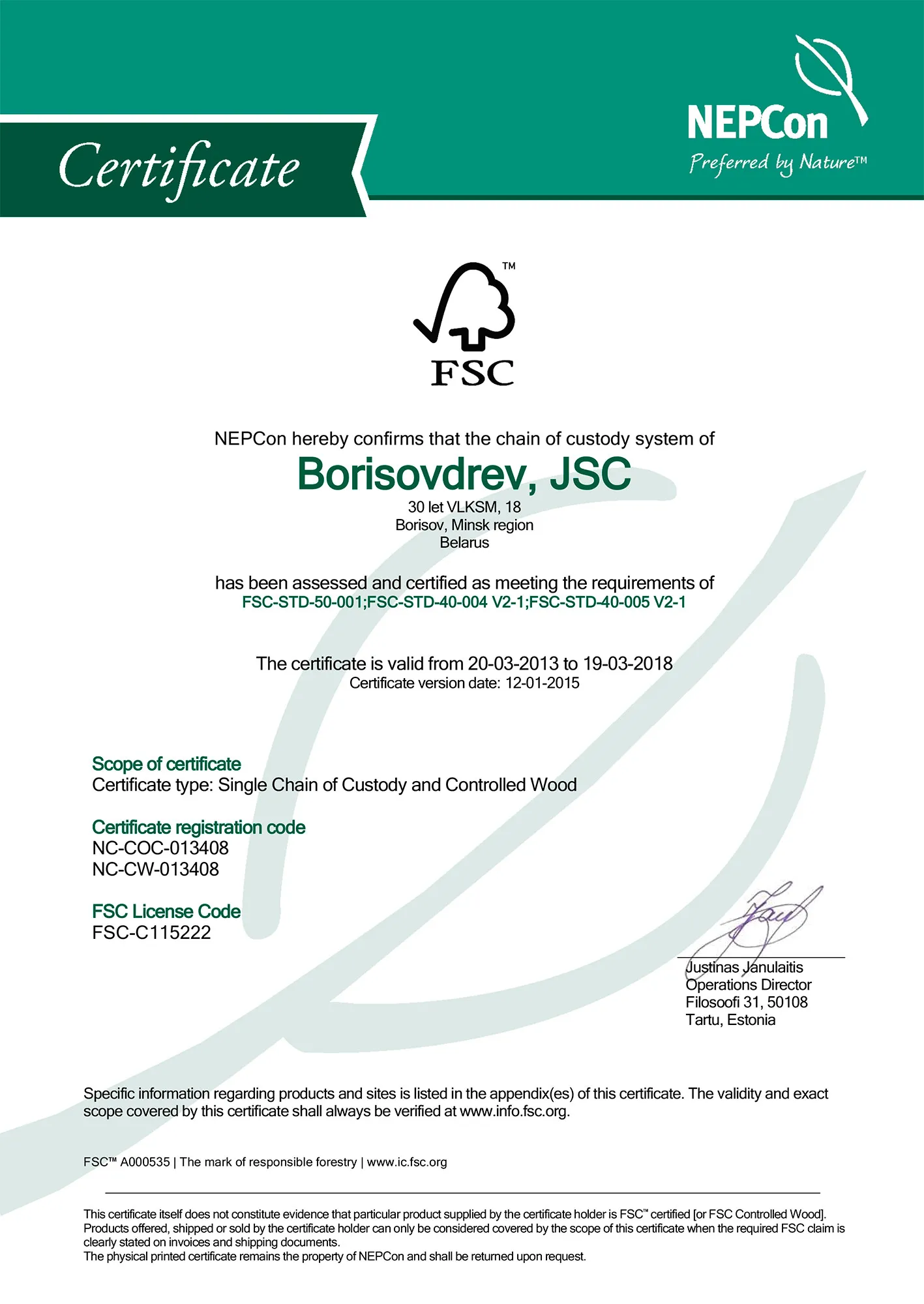
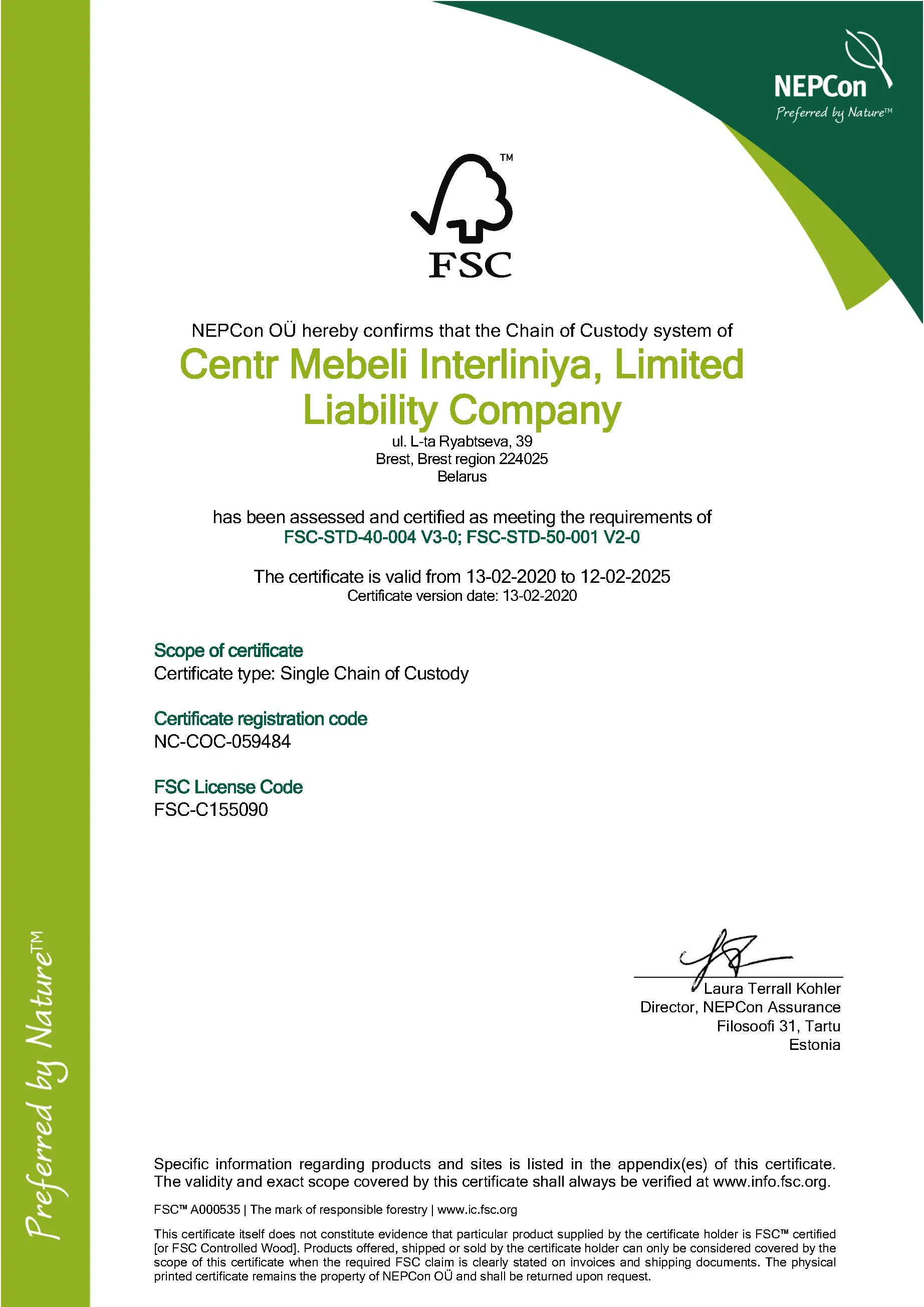
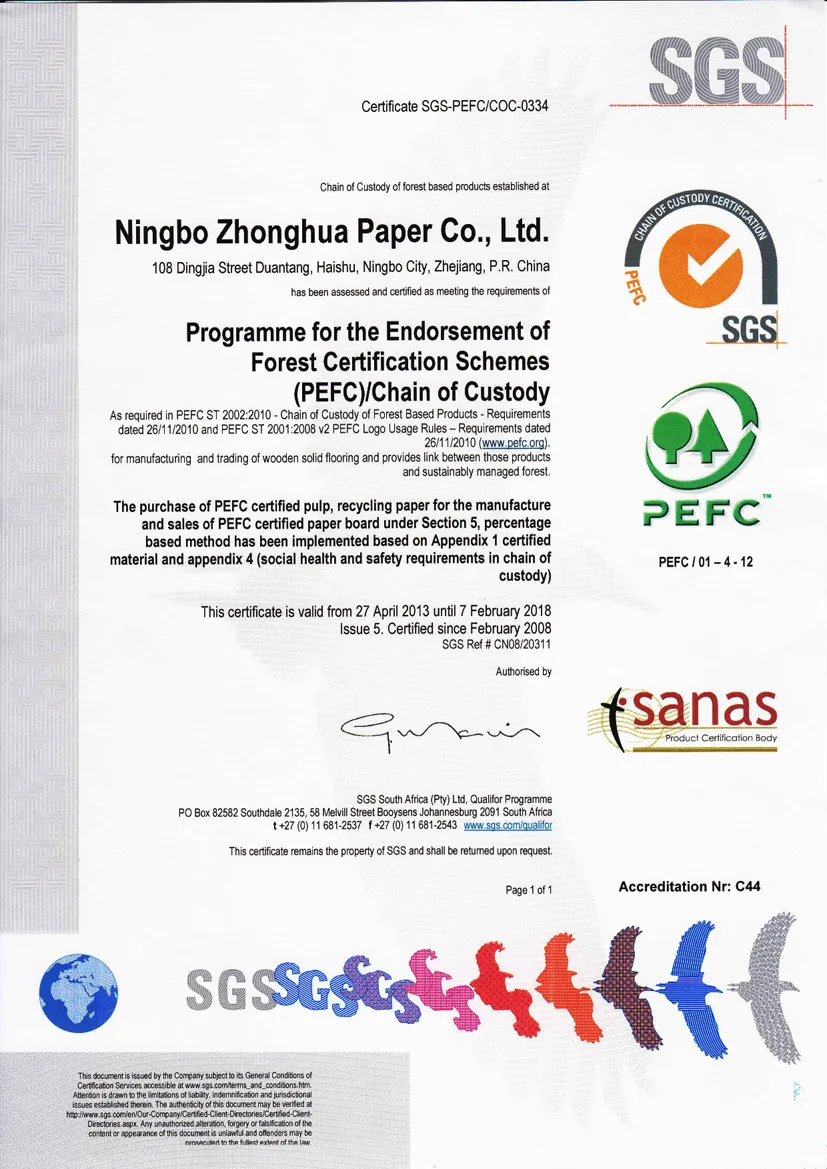
We operate according to the forestry regulations of each country, hold permits for logging and timber transportation, and comply with FSC and PEFC standards. Every project is carried out under official contracts and the principles of sustainable forestry.
30+
International environmental standards
1000%
Legal transparency in each transaction
240/7
Operational forest monitoring and supervision
0
Ethics and sustainability principles infringement
Organic policy
We follow the principles of sustainable forestry — we work under official contracts, restore forests in logging areas, and strictly comply with environmental regulations. We use advanced low-emission machinery, do not apply chemical fertilizers or herbicides, and perform soil maintenance mechanically.
Forest utilization
We carry out logging in compliance with legal and environmental regulations. The forest is never left unattended — after the work, we organize replanting, soil restoration, and waste collection.
Forest planting
Forest restoration plans are coordinated with forestry specialists and local environmental authorities. The planting process is carried out in stages to ensure that the forest grows strong, resilient, and supportive of biodiversity.
Eco-technology
We use low-pressure tires and advanced hydraulic systems that help reduce soil compaction.
No chemicals
We do not use herbicides, pesticides, or chemical fertilizers — we work only with natural methods. We maintain planted seedlings mechanically, preserving the natural biological balance.
Machinery recycling
We purchase unused, burned, or damaged forestry machinery, dismantle it, and reuse suitable parts. This way, we reduce industrial waste and extend the lifespan of components.
Environmental accounting
We monitor the environmental impact of each project — from logging to planting and machinery movement. We collect data on logging volumes, planting areas, and forest regeneration processes.